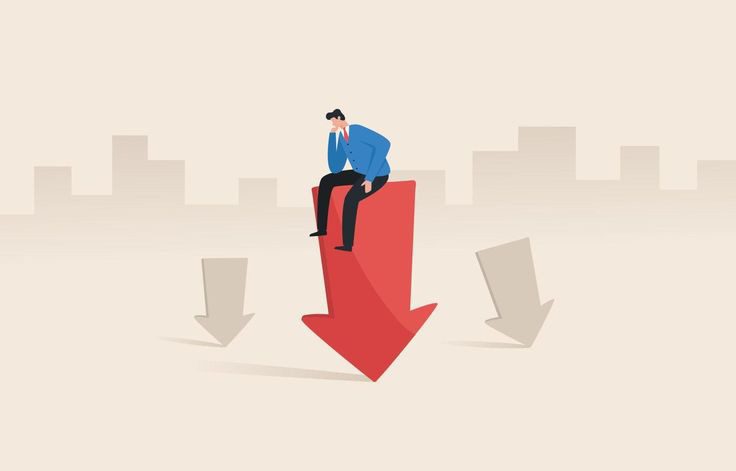
There is a stage in business where things are working—but not working well enough.
Customers are coming in. Sales are happening. The business is active. Yet growth feels slow, inconsistent, and difficult to control.
At this point, the challenge is no longer how to start. It is how to grow beyond the current level.
Many businesses remain in this stage longer than necessary, not because of a lack of opportunity, but because of structural limitations within the business itself.
The Hidden Bottleneck: Lack of Structure
When a business begins to gain traction, growth is often driven by effort. The owner or team is directly involved in attracting customers, closing sales, and delivering services.
While this approach works initially, it creates a dependency on constant involvement. Every result requires direct input, and as demand increases, the system begins to strain.
This is where growth slows down.
Without structure, the business cannot handle increased demand efficiently. Processes become inconsistent, delivery becomes stressful, and scaling feels overwhelming.
Why More Customers Doesn’t Always Mean More Growth
It is easy to assume that getting more customers will solve the problem. However, without the right systems in place, more customers can actually create more pressure.
Sales may increase temporarily, but so do operational challenges. Response times slow down, quality becomes harder to maintain, and the overall customer experience may begin to decline.
In this situation, the business is growing in activity, but not in capacity.
What Businesses That Break Through Do Differently
Businesses that successfully move beyond this stage focus on building structure behind their growth.
They begin by defining clear processes for key activities such as lead generation, sales, onboarding, and service delivery. This makes outcomes more predictable and easier to manage.
They also implement systems that reduce dependency on individuals, allowing tasks to be handled consistently regardless of who is executing them.
In addition, they align their marketing, sales, and operations, ensuring that each part of the business supports the others rather than operating in isolation.
Most importantly, they build with scalability in mind, creating systems that can handle increased demand without a proportional increase in complexity.
From Effort-Based Growth to System-Based Growth
The shift from being stuck to scaling does not come from doing more. It comes from doing things differently.
When systems replace guesswork, and structure replaces improvisation, the business gains the ability to grow with less friction.
This transition allows business owners to move from constantly reacting to actively managing growth.
So…
Feeling stuck in business is often a sign that the current structure has reached its limit. To move forward, a new approach is required—one that prioritizes systems, alignment, and scalability.
At Dgazelle Digital, the focus is on helping businesses build the internal structures needed to support sustainable growth across marketing, sales, and operations.
If you would like to receive more insights on building scalable systems and moving your business to the next level, we invite you to join our email community by submitting your email in the box below.