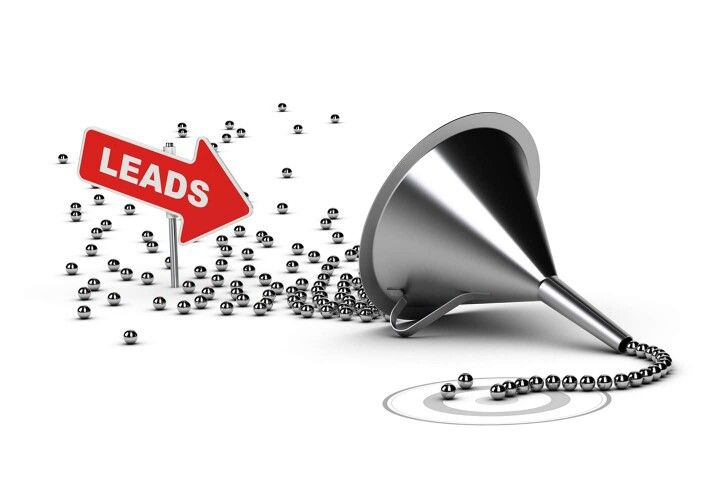
Most businesses believe their growth problem is a lead problem. Sales are slower than expected, so the assumption is simple: we need more leads. Marketing spend increases. New campaigns launch. Lead generation becomes the focus.
Leads come in. Some convert. Most do not. Revenue increases slightly, but not proportionally to the effort or spend. The business concludes the leads were low quality and decides to find better leads.
The cycle repeats.
More money is spent. More leads arrive. Conversion stays flat. Frustration builds. The real issue is never addressed because nobody wants to admit it. The problem is not the leads. It is the system that is supposed to convert them.
Why Businesses Blame Lead Quality Instead of Sales Systems
Blaming leads is easier than fixing infrastructure. If leads are the problem, the solution is external. Find a better source. Target a different audience. Adjust the messaging. These changes feel productive and do not require confronting internal failures.
But when the same pattern repeats across multiple lead sources—when Facebook leads do not convert, when Google leads do not convert, when referrals do not convert—the issue is not where the leads come from.
It is what happens after they arrive.
A broken sales system will waste good leads just as effectively as it wastes bad ones. Pouring more volume into a broken process does not fix the process. It exposes how broken it is.
What a Broken Sales System Looks Like
Most sales systems are not intentionally designed. They evolve through habit, individual preferences, and reactions to immediate problems.
Nobody documented the process. Nobody tested what works. Nobody measured where leads drop off. The system exists, but it was never engineered to convert predictably.
- Follow-Up Is Inconsistent
In most businesses, follow up depends on who handles the lead and whether they remember to do it. Some leads get contacted immediately. Others wait days. Some get multiple follow ups. Others get one message and are abandoned. There is no structure. No timeline. No accountability.
Inconsistent follow up is indistinguishable from no follow up. A lead that is not contacted within hours is already less likely to convert. A lead that is contacted once and never again is a wasted opportunity. When follow up depends on effort instead of automation, leads disappear quietly.
- There Is No Qualification Process
Most businesses treat every lead the same. A tire kicker gets the same attention as a serious buyer. Someone researching six months out gets the same urgency as someone ready to purchase today. The sales team spends equal time on people who will never buy and people who are one conversation away from closing.
Without qualification, effort is wasted on leads that were never going to convert, and serious buyers do not get the attention they need. A qualification process filters leads based on intent, fit, and timing. It directs resources toward the opportunities most likely to close and removes friction for people who are ready to act.
- The Sales Process Is Not Documented
In most businesses, every salesperson sells differently. One person sends long emails. Another prefers calls. One closes in two conversations. Another takes five. There is no standard process, no proven sequence, no repeatable structure.
When the process is not documented, it cannot be trained, measured, or improved. New hires learn by trial and error. High performers cannot scale because their approach is personal, not systematic. Sales becomes dependent on individual talent instead of structural reliability.
- Objections Are Handled Reactively
Most salespeople respond to objections as they arise instead of addressing them proactively. A prospect says the price is too high, and the salesperson defends it. A prospect says they need to think about it, and the salesperson asks when to follow up. A prospect says they are comparing options, and the salesperson waits.
These objections are predictable. They come up in nearly every sale. Yet most businesses treat them as obstacles instead of building them into the process. A strong sales system anticipates objections and eliminates them before they become barriers. Pricing is justified upfront. Decision timelines are set early.
Competitive positioning is clear from the start. When objections are addressed proactively, they stop killing deals.
- Closing Depends on Pressure Instead of Clarity
Many sales processes rely on urgency tactics to force decisions. Limited time offers. Scarcity messaging. Persistent follow up designed to wear the prospect down. This might produce short term conversions, but it does not build trust or create repeat customers. People who feel pressured into buying often experience regret and churn quickly.
A sales system built on clarity instead of pressure converts better and retains longer. The offer is explained clearly. The value is demonstrated. The decision is made easier, not forced.
What Happens When You Add Leads to a Broken System
More leads do not fix a broken system. They make the problems more visible.
- Conversion Rates Stay Flat or Drop
If the system converts 10% of leads and volume doubles, revenue increases—but so does waste. Twice as many leads are being mishandled. Twice as many opportunities are lost. The inefficiency scales with the volume.
If the system was converting 30% and volume doubles, revenue triples. That is leverage. But most businesses are not converting at 30%. They are converting at single digits, and adding more leads does nothing to change that.
- The Sales Team Gets Overwhelmed
A broken system cannot handle increased volume. When leads double, the sales team works twice as hard. Follow up falls further behind. Response times slow. Quality of interactions drops. Burnout increases.
The bottleneck is not the number of leads. It is the structure required to manage them. Adding more volume without fixing the structure just breaks things faster.
- Cost Per Acquisition Increases
More leads cost more money. If conversion rates do not improve, the cost to acquire each customer goes up. A business spending $5,000 on leads that convert at 10% pays $50 per customer. If they double spend to $10,000 and conversion stays at 10%, they are still paying $50 per customer—but now they are spending more to get the same result.
If conversion rates drop due to poor handling, cost per acquisition increases even though lead volume went up.
This is the trap most businesses fall into. They keep spending more on leads while ignoring the system that is supposed to convert them.
How to Fix the Sales System Before Scaling Leads
Scaling lead volume makes sense only after the system is proven to convert efficiently. Document the Current Sales Process
Most businesses do not know what their sales process actually is. Start by mapping what happens today. How does a lead enter the system? Who contacts them? What is said? How many touchpoints occur? What is the average time to close?
This documentation will expose gaps, inconsistencies, and dependencies on individual effort. It will show where leads drop off and where the process breaks.
You cannot improve what is not documented.
- Build a Follow-Up System That Runs Without Reminders
Follow up should not depend on memory. Automate the initial response. Set reminders for subsequent touchpoints. Use CRM workflows to ensure every lead gets contacted at the right intervals.
If someone does not reply, the system should continue following up until they engage or opt out. Most deals are lost simply because follow up stopped too early. Automation does not replace personalization. It ensures personalization happens consistently.
- Implement Lead Qualification Early
Not every lead deserves the same level of attention. Qualify leads based on budget, timeline, decision making authority, and fit. Prioritize the ones most likely to close. Nurture the ones who need more time. Disqualify the ones who will never convert.
This focuses effort on the opportunities that matter and prevents wasted time on leads that were never serious.
- Create a Repeatable Sales Framework
Define the stages every lead should move through.
Initial contact. Discovery. Proposal. Objection handling. Close. Follow up.
For each stage, document what needs to happen, what should be said, and what the goal is. Train the team on the framework so everyone follows the same process.
Repeatability produces predictability.
- Address Objections Proactively
List the most common objections prospects raise. Then build responses into the sales process before those objections come up.
If price is always an issue, justify value early. If decision timelines are always vague, set expectations upfront. If comparisons to competitors always happen, position differentiation from the start.
When objections are anticipated and handled early, they stop derailing deals.
- Measure Conversion at Every Stage
Track where leads enter, where they progress, and where they drop off.
What percentage of leads get contacted? What percentage move from discovery to proposal? What percentage close?
This data reveals the exact point where the system is failing. Fix that point, and the entire system improves.
When Scaling Leads Actually Makes Sense
Once the sales system converts efficiently, scaling leads becomes leverage.
If the system converts 30% of leads and costs are controlled, doubling lead volume doubles revenue. The infrastructure is ready. The process is proven. More volume produces proportional results.
But this only works if the system was fixed first.
Most businesses try to scale before they are ready. They assume more leads will compensate for poor conversion. They do not.
Fix the system. Prove it works. Then scale.
Why Most Businesses Skip This Step
Fixing a sales system is harder than buying more leads. It requires documenting processes, admitting inefficiencies, training teams, and building infrastructure. It is slow, uncomfortable work that does not produce immediate results. Buying leads feels productive. The numbers go up.
Activity increases. It looks like progress. But activity is not progress. Conversion is. The businesses that grow are not the ones generating the most leads. They are the ones converting the leads they have most effectively.
Your Leads Are Not the Problem.
If your business is not growing as expected, more leads will not fix it.
The issue is not volume. It is the system that is supposed to turn volume into revenue. A broken sales system wastes good leads. A strong sales system converts even average ones.
Fix the system first. Then scale with confidence.