Proven Smart Website Design in 2025: How to Turn Your Website Visitors into Paying Customers & Raving Fans
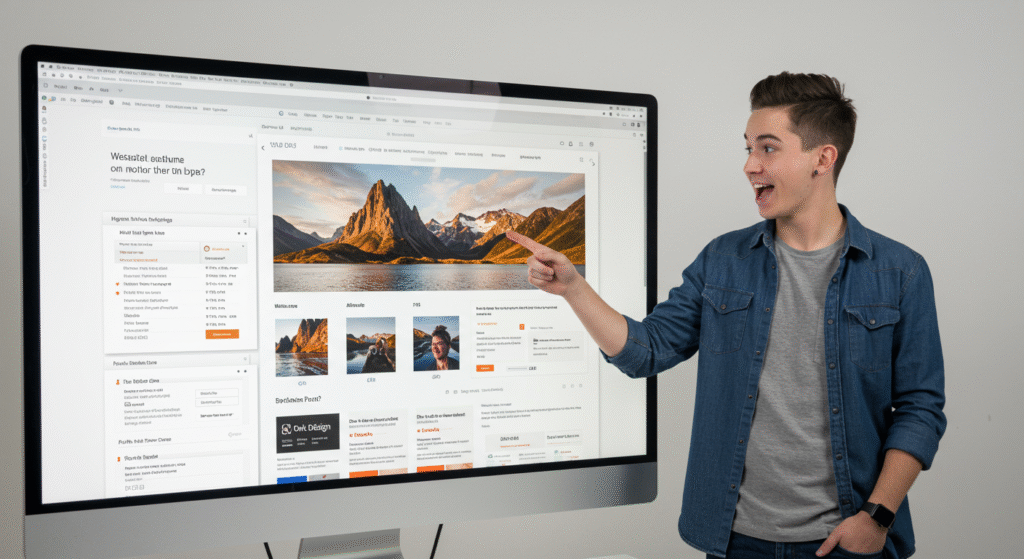
In today’s digital world, your website is often your first and most important salesperson. But here’s the thing: a good-looking website alone isn’t enough. If it doesn’t guide visitors toward action, you’re leaving money on the table. This blog shows you how to turn casual clicks into committed customers with smart, SEO-friendly website design in 2025. Whether you run an online store, service business, or personal brand, these tips will help you convert traffic into tangible results. Why Smart Website Design is Crucial in 2025 First impressions happen fast. Studies like this Stanford credibility study reveal that 75% of users judge a company’s credibility based on its website design. In 2025, competition is stiffer than ever, and users are more impatient. A slow, clunky, or confusing site won’t just lose visitors, it’ll lose revenue. At Dgazelle Digital Agency, we believe design is more than pretty visuals. It’s a business tool that guides visitors toward booking a call, purchasing a product, or signing up for a newsletter. Top 6 Design Tactics That Turn Clicks into Conversions Design isn’t just about looking good; it’s about guiding your visitors toward taking action. These six essential tactics focus on usability, clarity, and persuasion to help you turn casual website visitors into loyal customers. By applying these strategies, you’ll create a smoother user experience that boosts your conversion rates and drives business growth. 1. Clear and Consistent Navigation Your menu should be simple, not overwhelming. Users should know where to go without guessing. Limit navigation to 5–7 core items, and make sure your contact or CTA page is always visible. Example: Apple keeps its site navigation minimalist and focused, helping users find exactly what they need. 2. Mobile-First Design With over 60% of traffic now coming from mobile, your site must be thumb-friendly. Use responsive templates, test regularly, and avoid cluttered layouts. Run a quick test with Google’s Mobile-Friendly Test. 3. Speed is Everything If your site takes more than 3 seconds to load, users bounce. Compress images, eliminate unnecessary plugins, and optimize code. Use PageSpeed Insights to monitor performance. 4. Strategic CTAs (Calls-to-Action) Your site should guide visitors step-by-step. Use buttons like: Place CTAs above the fold and at the end of each section. Tip: Make CTAs a contrasting colour so they stand out from the rest of the design. 5. Trust Builders Social proof can boost conversions by up to 34%. Include: 6. SEO-Optimised Content Design and SEO must work hand-in-hand. Use your primary keywords naturally in: For example, if your focus keyword is “mobile-first design,” a well-optimised sentence could be:“Implementing a mobile-first design ensures your website performs perfectly on smartphones and tablets, improving user experience and boosting SEO rankings.” Beyond keywords, make sure your content is clear, useful, and easy to read. Google rewards sites that provide real value to visitors, so combine SEO best practices with great content to maximise your site’s performance. To learn more about combining SEO with smart design, check out Moz’s Beginner’s Guide to SEO. Image Source: Freepik Must-Have Pages for Maximum Conversion Your website isn’t just a digital brochure; it’s a sales engine. However, to convert visitors into leads or customers, certain pages must be present and built with a specific purpose. These core pages not only inform but also guide users through your sales funnel seamlessly. Whether you’re launching a new website or optimizing an existing one, start by getting these essentials right. Avoid These Common Mistakes Even with the best intentions, many websites lose potential customers due to simple design oversights. These mistakes can create friction in the user experience, reduce trust, and prevent conversions. By identifying and avoiding them early, you’ll make a smoother, more engaging site that delivers better results. Here are some common pitfalls to steer clear of: Enhance Engagement with Visual Hierarchy Visual hierarchy is the art of guiding your visitors’ eyes toward the most important elements on each page. By strategically placing headings, images, buttons, and whitespace, you can increase user engagement and improve conversions. Tip: Use larger fonts and bold colours for key messages, and keep secondary information less prominent. Check out Canva’s guide to visual hierarchy to better structure your layout. Integrate Live Chat and Chatbots Customer support no longer happens only through email. Live chat or AI-powered bots can answer questions instantly, remove buying hesitations, and boost trust. Tools like Tidio or LiveChat are easy to install and mobile-friendly. Want Your Website to Convert Better in 2025? Smart website design is no longer optional; it’s essential. To turn your traffic into sales, you need a conversion-driven approach. At Dgazelle Digital Agency, we don’t just design. We build websites that sell. 👉 Book a Free Website Audit and find out how to make your site work harder for your business.
Beyond the Pretty Picture: Why Your Business Desperately Needs a Converting Website
A converting website actively generates leads, inquiries, and sales, directly impacting your bottom line and providing a clear return on investment.
5 REASONS Why Your E-commerce Funnel Is Not Converting the Right People — And How to Fix It
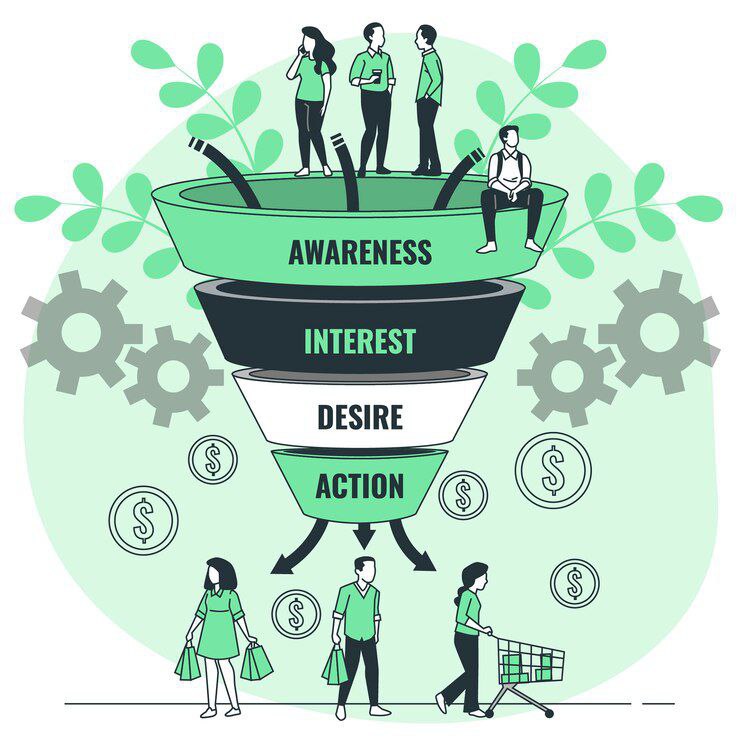
If you’re targeting everyone, you’re converting no one. Many e-commerce business owners run Facebook or Google ads with wide demographics, hoping to cast a large net. But broader targeting often results in attracting people who aren’t a good fit for your offer
Paid Ads That Convert: How to Run Effective Digital Advertising Campaigns Without Wasting Your Budget in 2025

Digital advertising has become one of the most effective ways to rapidly grow a business. If you want to reach new audiences, drive targeted traffic to your website, or promote your products and services without the long wait of SEO, running online ads can be a game-changer. But how do you ensure your campaigns are effective and don’t waste money? This guide breaks down how to run high-performing digital ad campaigns across platforms like Google, Facebook, and Instagram, no fluff, just proven insights. What Are Online Ads and Why Are They Important? Online advertising refers to placing promotional content on digital platforms to reach potential customers. These include: Unlike organic marketing, these campaigns offer instant visibility, allowing brands to target specific audiences and track results in real time. Some benefits of digital advertising: …paid ads are your shortcut to faster ROI (return on investment). And when done with the right strategy, they don’t have to be expensive. It’s about working smarter, not just spending more. Why Ad Campaigns Often Underperform Many businesses struggle with digital ads because they: Without a clear strategy, it’s easy to spend heavily without seeing a return. Avoiding these mistakes is key to building successful, scalable advertising campaigns. Proven Strategies for High-Performing Digital Ad Campaigns Here’s how to structure an online advertising campaign that gets results: 1. Start With Market Research Before creating ads, understand your audience. What are their needs, habits, and pain points? Tools like Google Trends, Google Keyword Planner, Meta Audience Insights, and Ubersuggest can help uncover key behaviours and opportunities. 2. Craft High-Quality Ad Creatives Visuals and copy make or break your campaign. Focus on: For example, instead of saying “Buy our skincare kit,” use “Struggling with acne? Get visible results in just 7 days.” 3. Use Targeting Wisely On platforms like Meta Ads Manager or Google Ads, you can target users based on: Proper targeting ensures your ads are seen by people most likely to take action. 4. Test and Optimize Frequently A/B testing helps identify what works. Test different headlines, formats, images, and calls-to-action. Monitor performance with tools like Google Analytics, Facebook Pixel, or Hotjar to understand where to optimize. Focus on metrics like: Want to learn more about optimizing Facebook campaigns? Check out Meta Blueprint. 5. Set a Smart Budget You don’t need to spend big to get results. Begin with a manageable daily budget and increase it based on performance. Focus spending on high-performing ad sets and pause what’s underperforming. 6. Use Retargeting Only 2% of people convert on the first visit. Use retargeting ads to bring back visitors who didn’t take action the first time. This tactic is especially effective with abandoned cart campaigns, event reminders, or lead magnets. Top Platforms for Digital Advertising Image Source: Freepik Here’s a quick overview of where to run your campaigns: Common Myths About Online Advertising (Debunked) “Paid ads are too expensive.”Not true. When done right, even small budgets can bring great results. “I tried it once and it didn’t work.”Most likely, the strategy was off. It’s not about luck. It’s about testing and optimization. “My business isn’t big enough for ads.”Paid ads work for any size. Whether you’re selling a product, offering a service, or launching a course, paid ads can help you reach the right people. “Just boosting a post is enough.” Boosting is not the same as a full ad campaign with strategy and tracking. Combining Organic Marketing With Paid Ads Paid campaigns bring immediate traffic, while SEO and content marketing build long-term trust and authority. When used together: Think of SEO as the long game, and paid ads as your shortcut. Together, they create a full-funnel strategy that brings in traffic, nurtures leads, and drives conversions. Want Expert Help With Your Ad Campaigns? Running successful ad campaigns takes expertise, data, and continuous improvement. If you want to skip the guesswork and get real results, the team at Dgazelle Digital Agency can help. 👉 Book a Free Paid Ads Strategy Session to start growing your business with smart advertising.
Dgazelle Digital Announced as Sponsor and Digital Solutions Provider for 10X Business Conference Abuja 2025

The 10X Business Conference themed UNTAMED is an accelerator for aspiring entrepreneurs, business owners and career professionals, aimed at equipping them with battle-tested strategies, systems and structure for sustainable, predictable and profitable growth with unstoppable confidence
5 True Reasons People Buy from You Online

Reasons people buy online varies. You can’t serve your customers if you don’t know who they are. You cannot sell to customers if you do not know who they are. You can’t grow with your customers if you don’t know who they are. This post aims to help you better understand your customers by assisting you in identifying the true reasons why they buy from your e-commerce store. A lot of online businesses fail because they do not know the true reasons people buy from online businesses. Customers’ Psychology: Reasons People Buy How do your ideal customers think? How will they react when you offer them something? How and why will they actually buy what you are selling? What are reasons people buy? To answer these questions, we first need to understand what makes up a person’s mind. Most people believe that we are rational beings, but this isn’t completely true. We are made up of both rational and irrational parts of the brain — cognitive thinking and emotional thinking. The rational part of our brain is called the neocortex, which is responsible for logical thinking and reasoning. The emotional part of our brain is called the limbic system, which controls our emotions and instincts. The neocortex controls our actions, while the limbic system controls how we feel about those actions. So if someone has a strong desire to buy a product, it’s because their limbic system has convinced their neocortex that buying this product will make them happy or improve their quality of life in some way. So, people buy emotionally and explain their reasons logically. Sales success is not just dependent on technical abilities. We buy sophisticated technology every day from people who know less about it than we do. It is not dependent on hard work; we have witnessed many hard-working failures. Your selling ability improves only as your understanding grows. When you quickly see the reasons people buy products and their reasons for not buying them. By observing simple patterns in your customers’ psychology, you can anticipate the questions they will ask, the objections they will raise, and even the type of information they will require from you to make their decision. You’ll deliver your sales message with precision. 5 Reasons People buy Products from businesses Here are 5 of the most common reasons people buy: One of the major reasons people buy products or services is in their perception of how a product or your online business will improve the quality of their lives. Consumers buy products to improve their quality of life. The product can be an experience, such as a holiday, or something tangible, like a new car. The product must meet the consumer’s needs and wants. If it doesn’t, the prospect will not buy it. If it does, there is a good chance that he or she will buy it. Consumers evaluate information about a product before making a purchase decision. This evaluation process occurs both consciously and subconsciously in their minds. The more information they have about the product and its attributes, the more likely they are to make an informed decision about buying it (or not). The way you sell can make or break your business. In fact, the way you sell can make or break the success of your product. If you’re selling a product, you’ve already made your first sale. You’ve sold yourself on why this is a good product to invest in and why people should buy from you. However, it’s not just about convincing people that your product is worth buying; it’s also about convincing them that they should continue to buy from you. The best way to do this is by building trust with your customers. Trust is necessary for any relationship, but it’s especially important when it comes to sales and purchasing decisions because those decisions are often emotional ones. People don’t want to be scammed or lied to when they’re buying something as important as their health or well-being — they need reassurance that they’re making an informed decision and that their money isn’t going toward something fraudulent or even dangerous (or at least ineffective). Another of the most common reasons people buy is that the products saves time. People are busy, and they don’t want to spend their time learning how to use a new product. They want something that’s easy, intuitive and fast. If you can help people save time, you’ll have an easier time selling to them. For example, if your product or service helps someone save money on taxes, they will be more likely to buy it. If your product or service helps someone get more done in less time, they will be more likely to buy it. If your product or service helps someone spend less time doing something they don’t enjoy doing, they will be more likely to buy it. Why? Because time is our most valuable resource — and it’s something we never have enough of. Saving time can be as simple as making something easier to do (like cooking), or as complex as doing it for you altogether (like paying off your debt). Price is an important factor in the buying decision, but it isn’t the only one. The price point is the point at which you can sell your product or service to your customer and make a profit. The price point can be different for different customers, depending on their needs. The price point is also called the value proposition. It’s the right price point for them; it’s what they’re willing to pay and what they think they’re getting in return. If your product or service is too expensive, no one will buy it. If it’s too cheap, people will think it’s not worth much. But if you find that sweet spot, where people see value in your offering and are happy with what they’re paying for it, then you’ve found a great price point. People want to try new products too.
How to Make Your Offline Business a Successful Online Business
Building a successful online business is the goal of every online business owner. The internet has now made “online presences” a must for all businesses because of the ROI it yields. Yet, many owners of offline businesses do not see the potential of the web. This only makes their businesses small and local. Do you also want to build a successful online business? It’s easier than you think! So, if you are looking for a complete blueprint that will show how to start making money online, then, keep reading to discover how to turn your offline business into a profitable online venture. What type of online business are you starting? Do you know one major reason why online businesses fail? A lot of online businesses do not know clearly what they want. There are various kinds of online businesses. Some are more lucrative than others, while some need more time and effort. Asking yourself what kind of lifestyle you want to lead is the first step in selecting what kind of online business to launch. Do you desire a home office? Do you wish to spend two months a year traveling? Do you want the ability to leave on Fridays early? This will enable you to focus on the type of online business that best meets your requirements. Here are some examples: These companies sell physical goods through an online store. Amazon and eBay, for example, have been around for a long time and have become household names for their ecommerce stores. These companies sell other people’s products at a lower or higher price than they would retail for. Affiliate marketing is the practice of recommending another person’s product or service in exchange for a commission if one of your referrals becomes a customer. These websites offer free or paid information to users, such as how to do a home improvement project, care for your pet, or lose weight. Advertising or selling products related to the site’s content can be used to monetize information websites (such as books). These businesses provide consulting and other services to clients online. Can you start and grow a successful online business from home? Yes, you can start and grow a successful online business from the comfort of your own home. One of the primary reasons people choose to start their own businesses is the ability to work from home. You can now run your business from anywhere in the world thanks to the internet. There are numerous other reasons why people work from home: In an online vs offline business comparison, you see quite some advantages to starting an online business. And yes, you can start and grow a successful online business from home! How to make your offline business a successful online business? If you own a physical store and want to expand your physical business online, it’s critical to understand how to turn your offline business into a successful online business. It may not be an easy task, but it is doable. Here are some pointers on how to do so: 1. Learn about online marketing Your offline business can be a successful online business if you know how to use the online marketing knowledge for marketing and promotion. The use of online tools and techniques to reach out to potential customers, promote websites, and drive traffic to them is known as online marketing. The goal is to bring potential customers to a company’s website. It can be used to market a company’s products or services, raise brand awareness, generate leads, and increase sales. Online marketing can be used as part of a larger marketing strategy or as a stand-alone channel for reaching out to prospective customers. It’s important for you to know how to integrate your offline strategy with a new digital strategy. 2. Do your customer research Another step to make your offline business a successful online business is to identify your ideal client. Customer research is the process of discovering your customers’ wants, needs, and expectations. It assists you in understanding who they are and how they behave when they visit your store or website. Customer research can help you: If you’re starting an offline business, you’re probably aware of this. You’re out and about talking to people and soliciting feedback on your products, services, and ideas. However, when you’re building an online business, it’s easy to lose sight of talking to people and instead focus on building things, which is why so many startups fail. You may not have the budget to hire a market research agency because you are just starting out as a small business. However, this does not preclude you from conducting your own customer research. There are ways to solicit customer feedback without spending any money. Here’s how it’s done: 3. Develop Your Marketing and Branding Strategy Marketing and branding strategy serves as a road map for a successful online business. It is how you decide where to invest your time and resources in order to grow your business. Marketing raises brand awareness, whereas branding defines who you are as a company. Your marketing strategy will help you raise awareness for your company, whereas your branding strategy will assist you in developing a distinct identity for yourself. If you want to grow your offline business online, you need a good marketing strategy. Your marketing strategy should be based on your goals and objectives and should include the following elements: Here are the steps to creating your marketing strategy: 4. Build A good-looking Website If you’re an offline business owner and want to grow your business online, you should put some effort into choosing a domain name and getting a good-looking website. There are numerous advantages to having a website for your business. It’s the first step toward establishing an online presence, reaching new audiences and building a successful online business. A well-designed website demonstrates professionalism, conveys trustworthiness, and aids in the establishment of your brand identity. It enables you to promote your products and services, new products and special offers, upcoming
7 Tips You Need to Know Before Choosing a Domain Name for Your New Website?

So you want to begin creating your website? That would require you acquiring and choosing a domain name. No matter how good your site is, visitors will be turned off if the URL is not captivating enough.A great domain name will not only serve as your online brand, but it will also improve your site’s overall SEO and increase your visibility in web search results. In this article, we discuss 7 tips you should consider before choosing a domain name. What is a Domain Name? A difference in online vs offline business models is the presence of a website. All websites have their domain names. A domain name is the web address of a website or internet page. It’s what you type into your browser to visit the page. Choosing a domain name for your company can be difficult. The main reason for this is that you want to ensure that the name you choose is both available and easy to remember and type. Your domain name will be used by both you and your customers. and that it is critical for SEO purposes. Domains are classified into two types: How to register a domain name You can register a domain name through one of many registrars, each of which provides varying levels of service based on your needs and budget. You can begin with a big company, such as GoDaddy or Namecheap. These websites will provide you with access to millions of available names, but they will charge you a fee for the convenience. A domain name can be purchased directly from a registrar or through a reseller — someone who sells domain names on behalf of other businesses. When you register a domain name, you must provide some basic information about yourself as well as payment information. Some registrars also require proof of ownership before allowing you to register a domain name, so make sure you have this information ready ahead of time. Once you’ve registered with one of these companies, they’ll give you all the information you need, including login credentials and control panel access, so you can manage your own DNS entries (the data that identifies each specific domain). 7 Tips for choosing a domain name Choosing a wrong or clumsy domain name is a reason most online businesses fail. Here are 7 tips that will help you wen choosing a domain name. 1. Check name availability before choosing a domain You need to check for availability before choosing a domain name. While there are many available domains, it is possible that someone else will register a similar one before you. If this occurs, it may be difficult (if not impossible) to regain control of the domain once it has been registered by someone else. Before making a decision, check www.whois.net or www.domaintools.com to see if any similar names are available. 2. Keep your domain name short and memorable When choosing a domain name, keep it short and simple. Your domain name should ideally be no more than two words long; anything longer may be difficult for visitors to remember when typing it into their browser bar or smartphone screen! Use hyphens sparingly in your domain name; they can confuse visitors who don’t know how to correctly type them into their device (plus, they’re not allowed in many social network URLs). 3. Consider your top-level domain Another to note when choosing a domain name is knowing what is a top-level domain. A top-level domain, such as.com,.org, or.net, is the final part of a website’s address. In technical terms, it is known as the TLD. The most popular generic TLDs are.com and.net, but there are also country-specific TLDs such as.de (Germany),.se (Sweden), and.co.uk (United Kingdom). Some TLDs, such as.museum and.gov, are not used for websites at all. Consider why someone would visit your site in the first place—is it informative, entertaining, or something entirely different? Consider what happens when someone visits your website versus what happens when they visit another website when answering this question. 4. Use keywords in your domain name The first part of your domain name should contain a keyword that describes your company and/or the product or service you offer. A domain name should be between five and seven characters long, with each character being a letter or number (including hyphens). This makes it easier for people to remember, which increases the likelihood that they will visit your website. If you have a choice of available domains when registering, pick the one that best describes what you do. If you’re creating a website for a digital marketing business, for example, use city names in the domain name (e.g., newyorkcitydigital2020.com). This will help people find your site when they search online using these terms. 5. Don’t use special characters Do not use special characters like %, & when choosing a domain name. These are known as “encoding,” and they can cause issues if you later want to transfer your domain or add additional sites to your hosting account. Also, because special characters no longer appear on most keyboards (unless you have an international keyboard enabled), they make it difficult for people to type in their browser or text message application. 6. Avoid all capital letters when choosing your domain name In your domain name, avoid using all capital letters or numbers. This is one of the most common mistakes made by new webmasters who want their site to stand out from the crowd. Unfortunately, this tactic only makes it harder for people to read and remember your website address. Choose an easy-to-pronounce, easy-to-spell domain name with no typos or unnecessary words. 7. Add domain ID Protection Most domain registrars offer Domain ID Protection, which prevents fraudulent transfers of your domain to another registrar. If you have Domain ID Protection enabled, your domain will be automatically cancelled when you transfer it away from the current registrar. This means that the new registrar will be unable to transfer the domain until the cancellation is removed. Domain
6 Easy Steps to Take your Physical Business Online Now

So you want to go online with your physical business? Congratulations, that is the trend nowadays. Deciding and committing to take your physical business online is just the way to go – if you’re a brick-and-mortar niche product retailer or a local service provider looking to expand your reach and customer base. Starting your own business online is simple and easy these days, and you can do it from anywhere! Here are 6 simple steps you can take right now to take your physical business online! 6 Steps to Take Your Physical Business Online Physical businesses can be successful online. But it’s a whole new world, and there are some steps you need to take before you get your physical businesses shifting to online space. Many new businesses coming online do not take these steps, that is why many of these new online businesses fail. Here are six steps to take your physical business online: Do your Research Before you take your physical business online, do your research. Ask yourself if you even need to be online. Check the pros and cons of Online vs offline businesses. And, be sure to determine your business need to go online. First and foremost, you must define your objectives and how you intend to achieve them. This will assist you in making decisions on everything from the layout of your website and online shop to the payment methods you use and whether to offer free delivery. Take the time to learn about the different types of products that sell well online and determine which one is best for your business. You may have a fantastic idea for an online store, but if you don’t know how to find a niche or market your business, you risk wasting time and money. If you want to start an eCommerce site on Shopify, you should also conduct research. You must understand how eCommerce works and how it differs from traditional businesses. Create a website Another thing to think about when you are thinking about how to take your physical business online is to get a website. Having a website was not always required to run a successful business. However, it is now necessary. A website serves as your storefront. It’s how people learn about you and what you have to offer. If you don’t have a website, people will look for someone else to do business with, such as an established company or someone who has their own website. It’s also much easier to persuade people to buy from you if all of your information is in one place. Without a website, they’ll most likely have to go through multiple steps just to get there, such as opening an email, clicking on an email link, and then filling out forms before finally providing you with their contact information (and then perhaps getting another follow-up email from you). All of this takes time and effort, time that could be spent making sales or doing more work for existing customers. What Type of Website to Consider? A blog is essentially an online journal where you post content in the form of articles, photos, and videos. It’s simple to set up, keep up with, and update on a regular basis. If you want to sell products or services directly through your website, an eCommerce site allows users to browse through various categories and add items directly into their shopping carts without leaving the site once they’ve begun browsing for desired items. You may be wondering how you can create a website that sells your products or services if you are not a technical person. Don’t be concerned! There are numerous tools available that allow anyone with no coding experience to create their own website. WordPress, Squarespace, and Shopify are just a few examples of website creation platforms. The option you select is determined by the type of content you wish to display and the level of control you desire over design and layout. Create a page where customers can purchase a product or service if you’re selling it directly from your website. If you use a shopping cart platform like Big Commerce or Shopify, they will handle the majority of this process for you. Set up social media accounts You don’t have to be a social media marketing expert to establish a presence on social media. All you need to do is commit to creating useful content and connecting with others. When you take your physical business online, you will use social media marketing to reach out to your customers online. Signing up for accounts on the most popular social media platforms and posting regular updates is the best way to accomplish this. It is difficult to ignore the impact of social media on your business if you are a business owner. You’re probably aware that Facebook, Twitter, LinkedIn, and other platforms are excellent places to network and expand your reach. However, it may be unclear how to use them effectively. Here are the first five steps to getting started with social media: Don’t just create an account; fill out all the information so that your profile looks professional and inviting. Create an editorial calendar for your posts and stick to it to avoid overwhelming your followers with too much content all at once. Customers will gain trust and confidence in your brand’s customer service abilities as a result of this, especially if they have a problem with their order or product, which happens to everyone from time to time! Customers will be more likely to engage with your brand through these channels if they see that they can receive special discounts by following you on Twitter or liking your Facebook page. Set Up Digital Payment Options When you have plans to take your physical business online, you must also plan to set up a digital payment option. If you own a small business, it is essential that you provide digital payment options to your customers. This will enable them
Online Vs Offline Business: The Best Model for Your Business to be Successful

Running a business online seems to be the trend, but do you have to give up your traditional storefront to start your own online business? online vs offline business model – Which is better suited for your business? Yes, people can now start and run their own businesses from home thanks to the invention of computers and the revolution in Internet technology. As a result, many people believe that an online business model is superior to more traditional models (like brick-and-mortar stores). In this article, I’ll compare the pros and cons of an online vs offline business. Online vs Offline Business Some people prefer to stick with what they know when deciding between online and offline business models. Others are looking for something new and different. Online vs offline business definition: An online business is one that operates through the internet. It can be in any industry, with small local businesses, large multinational corporations, or even just individuals participating. To operate online, you must have a website, which can be hosted on a platform such as Shopify or Squarespace, or it can be hosted by you using WordPress or Drupal. An offline business is one that operates out of a physical location. An offline business is one that does not make use of the internet. The term is most commonly used to describe physical stores, but it can also refer to other types of businesses that do not rely on online sales, such as restaurants and bars. An offline business is also known as a traditional or non-digital business. Online vs Offline Business: Factors to Consider The first thing you should do before deciding whether to open an online or offline business is to identify your ideal client. This will give you a better idea of how many customers exist and which ones are likely to buy from your company. You should also consider the level of competition in your area and whether any other businesses offer similar products or services at a lower cost than yours. Online business is perfect for young people who want immediate gratification and results. If you want to target millennials who are tech-savvy and social media savvy, starting an online business is a great idea. But, if you are targeting older audiences who may not be as comfortable with technology, starting an offline business may be a better choice. Targeting wrong audiences is a major reason why online businesses fail. If you have a physical location where people can walk in off the street or drive by every day, having an offline business will provide them with more shopping options and convenience than an online store where people must order online first and then wait for their products to arrive in the mail. Although it may be tempting to start an online business while working a day job, it is critical not to underestimate the amount of time required. If you want your website or blog to succeed, you’ll need to put in hours every week — possibly more than you do at your job! If you’re willing and able to devote that much time, an online business may be for you. However, if running two businesses sounds like too much work, it may be best to concentrate on one venture at a time. The benefit of running an online business is that it does not require a physical location or infrastructure other than a computer and an Internet connection (and maybe some storage space). You can run your business from anywhere there is adequate cell phone coverage or Wi-Fi access. This gives entrepreneurs a lot of freedom in terms of creating their own schedules and working from home as much as possible, which makes sense. Advantages of an Online Business When you take your physical business online, you can reduce or eliminate your rent cost for a physical store – if you want. If you want to start a business but cannot afford to rent a storefront, the internet is your best choice. You can work from home or any other location with a good internet connection and be paid by clients all over the world. Starting an online business is much less expensive than starting one in person because there is no rent or other fees involved such as utilities and maintenance costs, etc… There are also no employees required, so you won’t have to worry about paying salaries or benefits! With so many people connected through the internet at all times, it opens up a lot more opportunities for selling your product or service because now anyone can reach out to millions of people without having any geographical restrictions on where they’re located in the world! On top of not having to pay for a place to run your business, you also don’t have to worry about office hours as long as you have internet access. You can work whenever it’s convenient for you and when you’re most productive. Disadvantage of an Online Business: Creating an online store can be costly and time-consuming. You must purchase the necessary software and pay for hosting services. Furthermore, if you are not technically savvy, you will need to spend time learning how to operate the website and then hire someone to do it for you. People enjoy shopping in stores because they want to touch and feel the products before purchasing them. They also appreciate the ability to ask questions about products and receive responses from real people who know what they’re talking about! Customers cannot do this with an online store; they must rely on what they read on your website or what other people say about your products or services online. E-commerce competition is fierce, particularly in the United States and Europe, where many successful online merchants exist. To survive, you must be able to offer a lower price or provide more value than your competitors. Big companies like Amazon and Walmart have deep pockets and vast resources that they can use