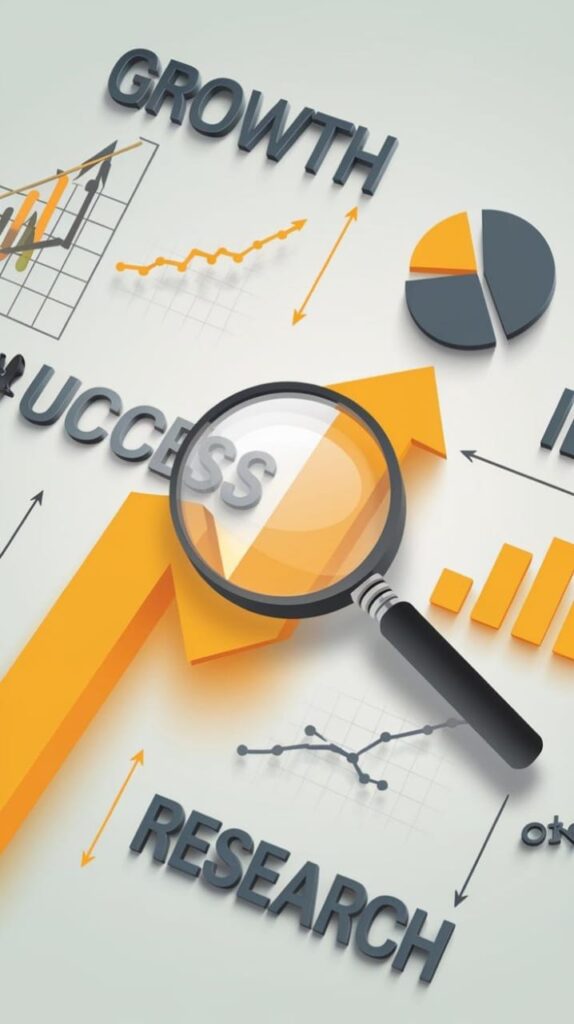
Activity can easily be mistaken for progress in business.
A company may be posting consistently on social media, running advertisements, attending meetings, responding to inquiries, and launching new ideas regularly. From the outside, it appears productive and active.
Yet despite all of this movement, real growth often remains limited.
Revenue stays inconsistent, customer acquisition slows down, and scaling becomes difficult. This creates a frustrating situation where the business is constantly working, but not moving forward at the level expected.
The reason is simple: activity alone does not guarantee growth.
The Difference Between Motion and Progress
Many businesses operate in constant motion without clear strategic direction.
Tasks are completed daily, but those tasks are not always connected to measurable business outcomes. Teams stay busy, yet much of the work contributes little to long-term growth.
This happens because being active feels productive. However, without systems, priorities, and clear objectives, effort becomes scattered.
Growth requires more than movement. It requires alignment.
Why Businesses Fall into the “Busy Trap”
One common reason businesses remain stuck is lack of strategic focus. Instead of concentrating on the activities that produce the highest business impact, attention is spread across too many disconnected efforts.
Another issue is reactive decision-making. Businesses often spend most of their time responding to immediate problems instead of building systems that prevent those problems from recurring.
There is also the challenge of unclear performance measurement. Without defined metrics, it becomes difficult to know whether current activities are actually contributing to growth.
As a result, businesses continue repeating actions simply because they are familiar, not because they are effective.
What Growth-Focused Businesses Do Differently
Businesses that scale successfully are intentional about how they use their time, resources, and attention.
They identify the activities that directly influence growth, such as lead generation, conversion optimization, customer retention, and brand positioning.
They build structured systems that reduce unnecessary manual effort and improve consistency across operations.
They also prioritize clarity and measurement, ensuring that every major activity is tied to a specific objective and measurable result.
Most importantly, they focus on effectiveness before expansion. Instead of doing more things, they improve the quality and alignment of the things that matter most.
Why Systems Create Better Growth Than Constant Activity
When businesses rely only on effort, growth becomes exhausting because every result requires continuous manual input.
Systems change this dynamic.
A strong marketing system continues generating leads consistently. A structured sales process improves conversion reliability. A well-designed customer journey increases retention and referrals.
These systems allow the business to produce better outcomes without depending entirely on constant activity.
This creates more sustainable and scalable growth.
In essence…
Being busy is not the same as building momentum. Sustainable business growth comes from focused execution, aligned systems, and strategic decision-making.
At Dgazelle Digital, we help businesses move beyond scattered activity by building structured marketing, sales, and growth systems designed for measurable results.
If you would like to receive more insights on building smarter growth systems, improving business efficiency, and scaling strategically, we invite you to join our email community by submitting your email in the box below.